
Truthiness
When feeling overrides fact

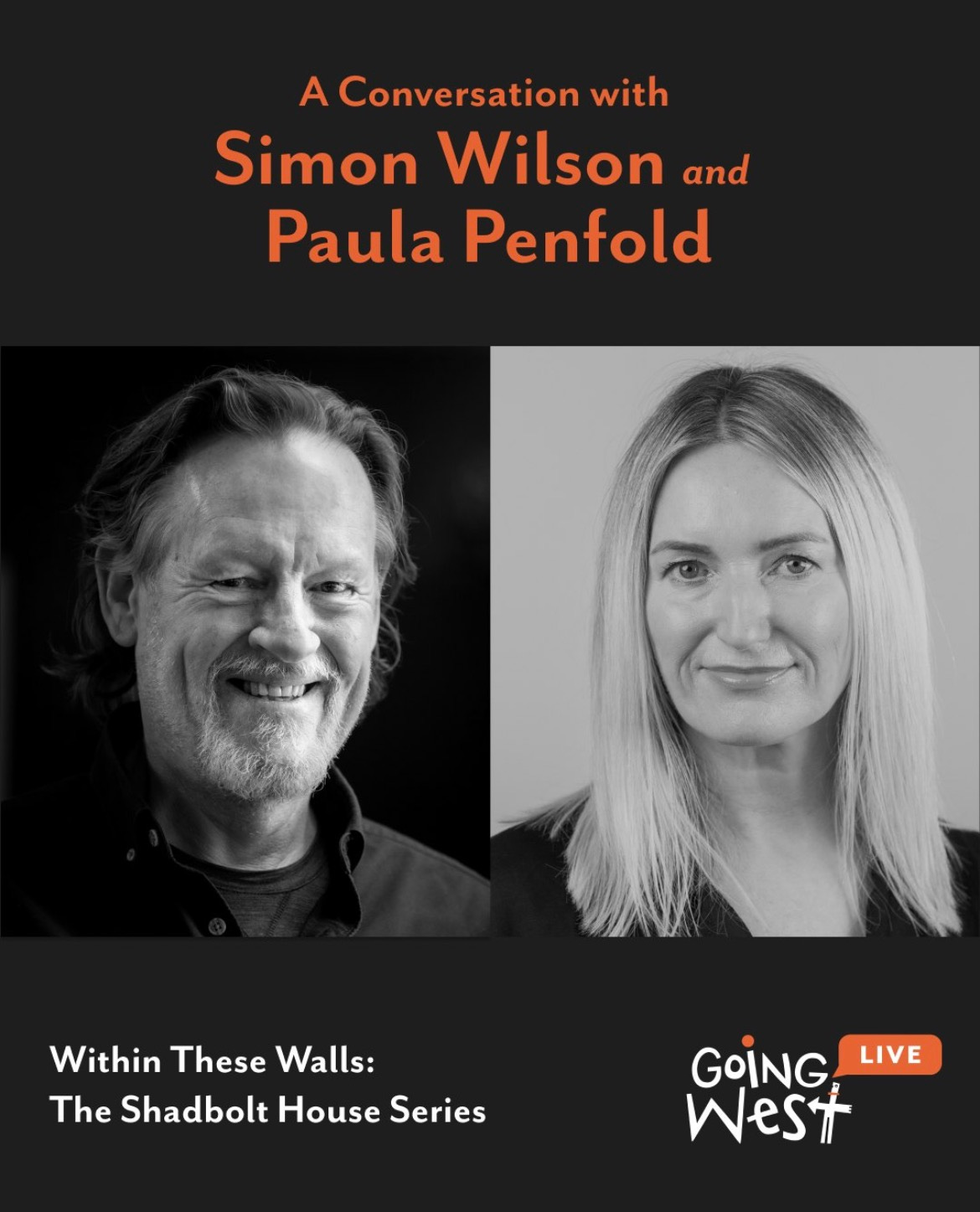
I’m about to speak alongside journalist Simon Wilson at the Going West writers’ festival about “truthiness”.
I’m still trying to work out a solution to this problem myself, so I said yes.
I didn’t know, Simon told me, that the term was coined by Stephen Colbert a lifetime ago – 2005 – for claims that feel true: ideas that work on someone’s emotion, not evidence. It hits you in the gut, not the brain.
People don’t necessarily have time to verify. When information is fast, contradictory, or emotionally loaded they ask does this feel right to me?
And if it does, up on Facebook it goes.
With such frictionless sharing fake news or misleading information can travel faster and reach bigger audiences than verified reporting.
For journalists, that creates a tension. Evidence is our strongest tool. It’s also an expensive, time-consuming, sometimes frustrating thing to pursue and is often invisible to the audience.
And sometimes we can’t get the evidence and therefore can’t publish, because of course we can’t put out stories that we can’t be certain are true. In order to be confident they are, we need to see the evidence even if we don’t directly cite it.
Without that testing, we’d risk losing at the Media Council and the Broadcasting Standards Authority. We’d be forever in court defending defamation claims.
(You may have noticed there have been a few of these lately: Talleys suing TVNZ. Julian Batchelor, backed by NZME board member Jim Grenon. The journalist in that case, Te Aniwa Hurihanganui, has written about it here. Stuff is currently being sued for defamation by Chantelle Baker, over our 2022 Stuff Circuit documentary Fire and Fury.)
But the core challenge of truthiness is that facts alone don’t necessarily persuade people anymore.
When we made Fire and Fury, we interviewed people at the Wellington protest who told us they no longer consume mainstream media at all.
When everyone is accusing everyone else of fake news, truthiness fills the void.
Just this week Trump and Iran have traded competing claims about negotiations, military success, even the basic facts.
At the same time, Trump continues to label critical reporting as fake news, not to describe something false, but to discredit something he doesn’t want believed.
Sometimes journalists don’t help themselves.
Last week, a senior European journalist, Peter Vandermeersch, was suspended after publishing quotes that didn’t exist.
He’d inserted dozens of quotes into his work that were convincing, plausible, and completely fabricated. People had never said the things he attributed to them.
Vandermeersch admitted he had relied on AI summaries and not checked whether the quotes were accurate, falling into the trap of hallucinations, when AI generates a truthy answer.
He published them on Substack, where he also subsequently admitted his painful mistake.
Can journalism fact-check its way out of a truthiness crisis? No, though obviously it must remain a non-negotiable.
We should also do everything we can to rebuild trust.
To be honest, that’s part of my thinking behind starting this Substack. I want to demystify how stories are reported, tested and published, so readers can see what goes into the work and make their own informed decisions about what to trust.
I want the truth to cut through because “feels true” gets us into an unholy mess.
Conversations like the truthiness one I’m about to have are encouraging: it sold out, which suggests people know something is off.
The problem is I’m not sure I have the answers they want about how to fix it, how we make the truth compelling again.
A good rule of thumb of the veracity of information being presented as truth is to search for confirming evidence through a number of media or news outlets. A good friend of mine said 3 independent sources all claiming the same 'truth' with identifiable references was a rule of thumb they applied. Another pertinent question is to ask who stands to gain from a proposed 'truth'. In Aotearoa as we move into election mode nearly every piece of economic 'truth' will be situated by who is presenting the evidence and to what extent they stand to gain by their evidence being accepted. On the international stage the ruling hegemony casts their protagonists as faceless, nameless, gulity, less than human numbers that are not to be counted, because they are of no importance. Whereas every one of the dominant members are named and exalted as saviors, martyrs, innocent victims, depending on the narrative being spun. A comparison of how Palestinian deaths are presented alongside Israeli deaths illuminates my point.
"...when information is fast, contradictory, or emotionally loaded..."...yeah, perhaps but I think if we drill a bit deeper, that's a bit of an easy out for people who are too vain to admit they might have it wrong. It's more important for them to be right and be seen/perceived (yes, not quite the same things) as being right.
Many people work in environments where information is fast, contradictory and/or emotionally loaded but don't have the luxury of just acceptiong it coz in feels right...doctors, pilots, military commanders (Trump regime and Putinista excepted), firefighters etc etc etc people whose lives or who have the lives of others in their hands, can't do this.
I think it's just personal, in the case of our cooked communities, and institutional, the case of those agencies that stray from the path of truth and light in favour of clicks and likes, laziness that enables this...too lazy to do the little bit of legwork that enables a change of mind...
Shona Tinkler touches upon this in a LinkedIn post and I think that the underlying point of her post is that time spent in developing critical thinking skills is never wasted; and when those skills are properly developed, even in the most chaotic circumstances, truthiness has less opportunity to take root...
https://www.linkedin.com/posts/activity-7443047909333368832-dxtp?utm_source=share&utm_medium=member_desktop&rcm=ACoAAADwdO0B110O-plvHsVv12-B8UyxAQZNfV0